
education
-
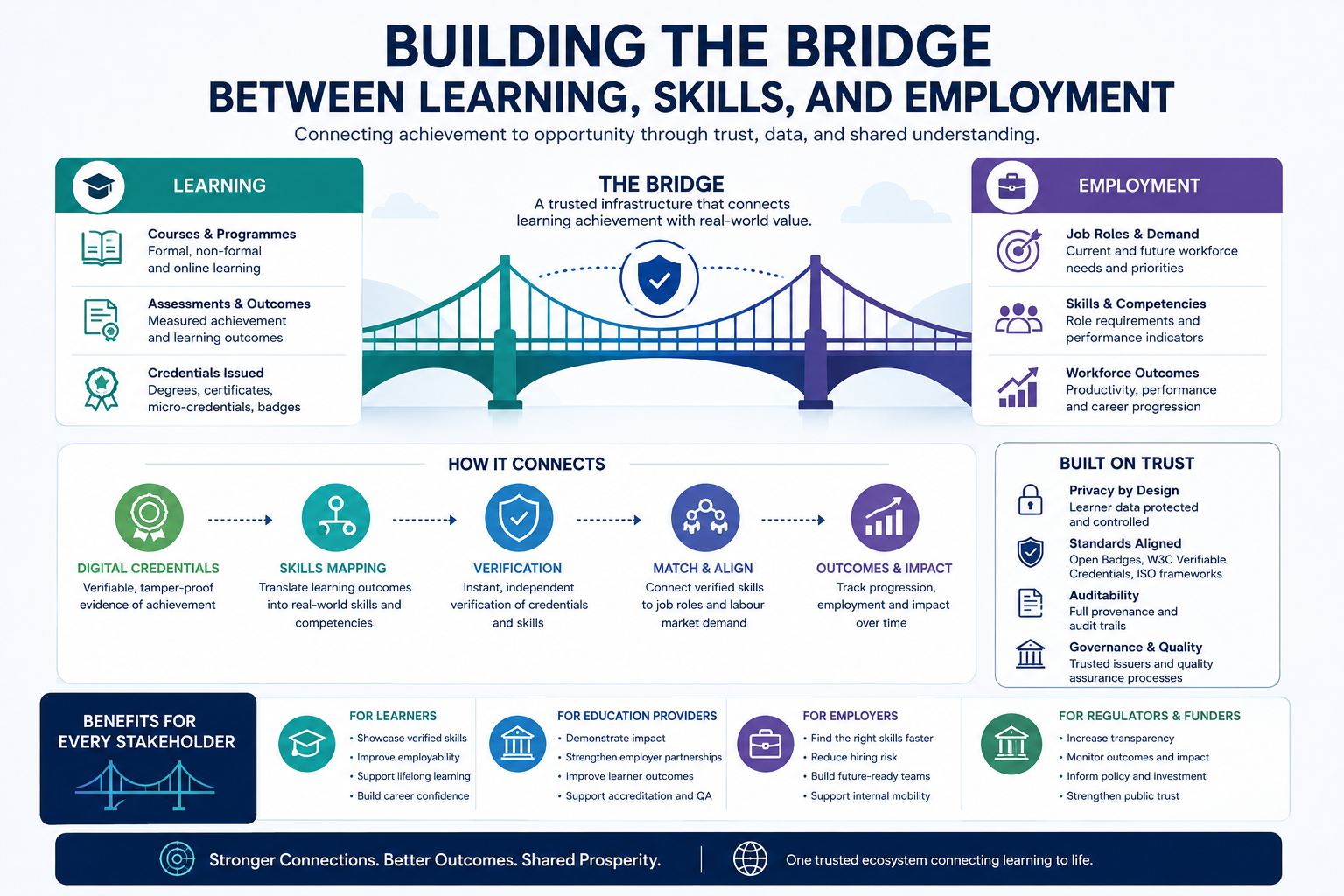
Building the Bridge Between Learning, Skills, and Employment
Education and employment are closely connected, but they do not always speak the same language. Universities, colleges, awarding bodies, and training providers describe achievement through qualifications, modules, credits, certificates, learning outcomes, and assessment criteria. Employers describe need through job roles, competencies, experience, behaviours, compliance requirements, and performance expectations. Learners sit between these two worlds, trying…
-
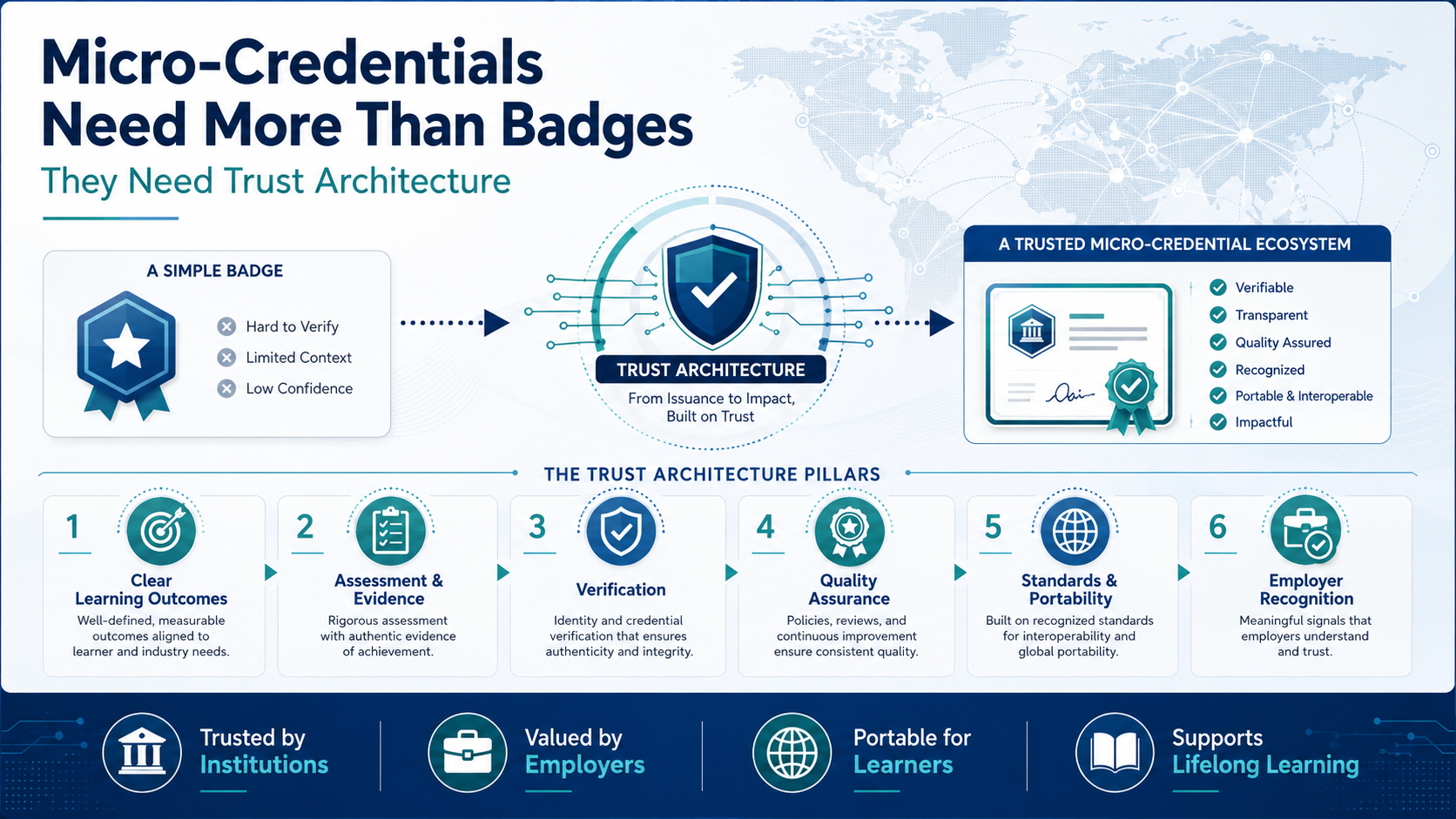
Micro-Credentials Need More Than Badges: They Need Trust Architecture
Micro-credentials are no longer a fringe innovation in education. Around the world, governments, universities, employers, and professional bodies are exploring shorter, more flexible ways to recognise learning. The logic is compelling: labour markets are changing quickly, learners need to reskill throughout life, and traditional qualifications alone may not be agile enough to meet demand. But…
-
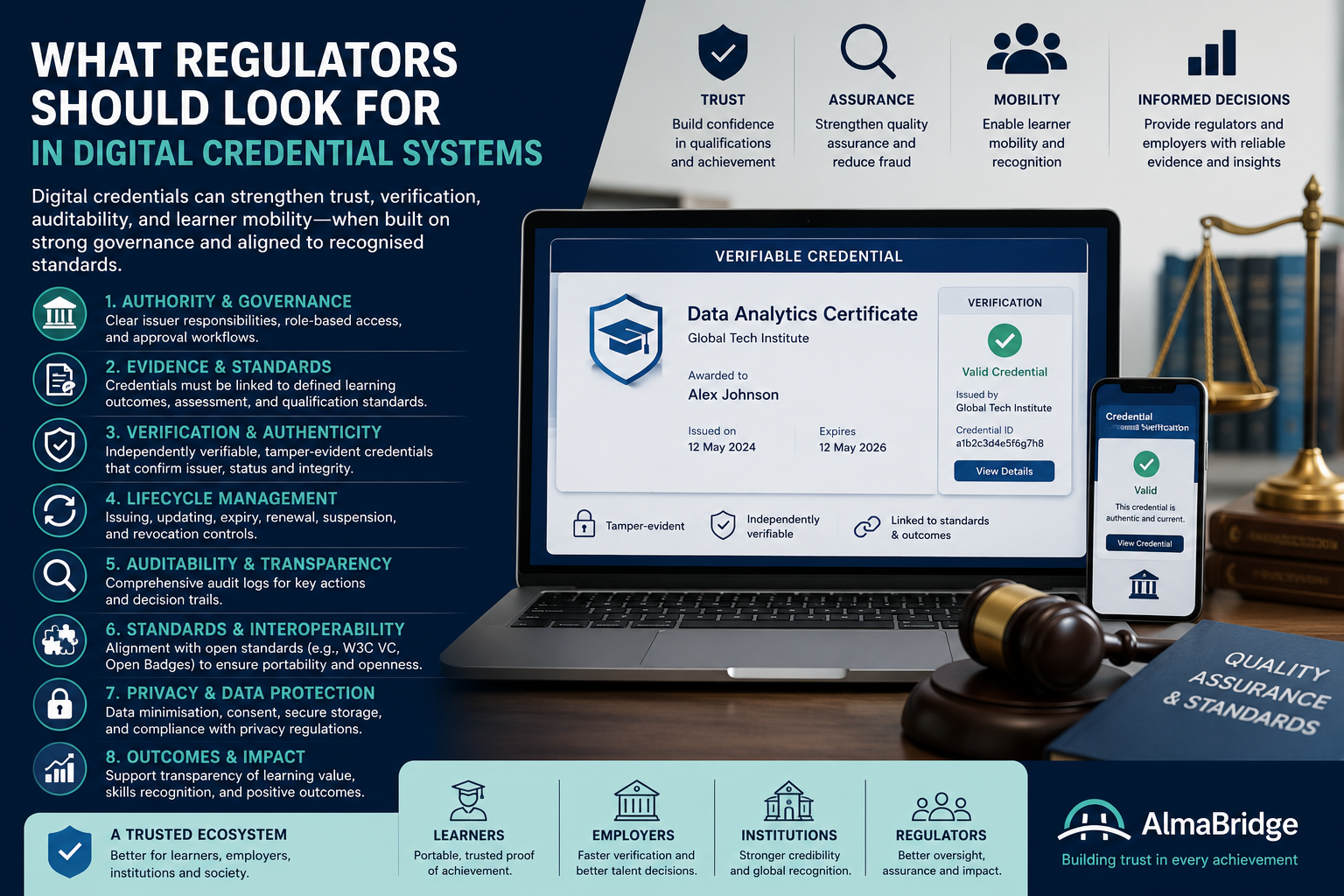
What Regulators Should Look for in Digital Credential Systems
Digital credentials are becoming an important part of modern education, professional training, and workforce development. Universities, awarding bodies, training providers, employers, and technology platforms are increasingly issuing digital certificates, badges, micro-credentials, and verifiable learning records. For regulators, this creates both an opportunity and a risk. The opportunity is clear. Digital credentials can reduce fraud, improve…
-
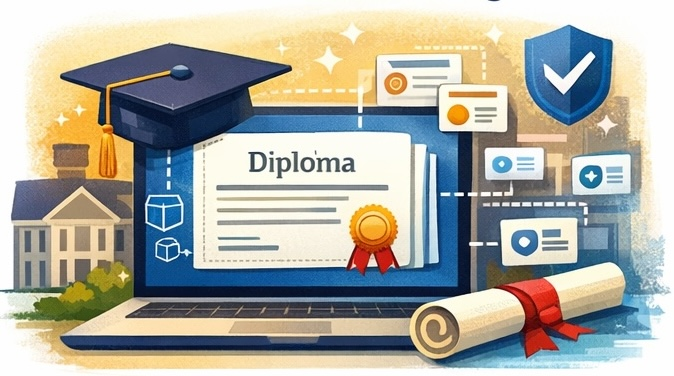
Why Digital Credentials Are Becoming Core Education Infrastructure
Education systems are no longer judged only by what they teach. They are increasingly judged by what learners can prove, how quickly that proof can be trusted, and whether learning achievements translate into employment, progression, compliance, and lifelong opportunity. This is why digital credentials are becoming core education infrastructure. For many years, certificates have acted…
-
The Global Epidemic of Credential Fraud
1. Executive Summary Credential fraud—the fabrication or falsification of academic qualifications—has evolved into a sophisticated global industry with an estimated annual value of $21 billion USD . This illicit trade, encompassing everything from diploma mills to AI-generated forgeries, poses significant risks to public safety, economic productivity, and the fundamental trust in education systems. This report…
-

Beyond “Mickey Mouse Degrees”: Why Learning Outcomes Matter More Than Course Titles
In recent years, the phrase “Mickey Mouse degree” has frequently appeared in UK political debate and media coverage. The term is often used to criticise university courses perceived as lacking academic rigour or offering limited employment prospects. Politicians and commentators have suggested that certain subjects—particularly in the arts, media, or newer interdisciplinary fields—represent poor value…
-

Why the Almabridge Stands Out in ESCO Data Management
In today’s rapidly evolving digital landscape, the ability to accurately map, categorize, and utilize skills data is more critical than ever. The Almabridge solution emerges as a compelling solution for organizations seeking to bridge the gap between education, employment, and skill development. By leveraging ESCO (European Skills, Competences, Qualifications and Occupations), Almabridge transforms raw data…
-

Comparing Qualifications Against Job Adverts
Learn how to effectively compare qualifications against job adverts to enhance recruitment processes and candidate selection.
-

Enhancing Learner Workflows with Technology
Explore how technology can improve learner workflows and facilitate better educational outcomes in credentialing.