
credentials
-
From Qualification to Trusted Evidence: How AlmaBridge Makes Digital Credentials Work
Qualifications, certificates and professional achievements are essential signals of capability. Yet many organisations still rely on paper certificates, PDF attachments, spreadsheets and manual email checks to prove what someone has learned or achieved. These approaches are slow, vulnerable to alteration and difficult to audit at scale. AlmaBridge offers a simpler and more trusted approach. AlmaBridge…
-
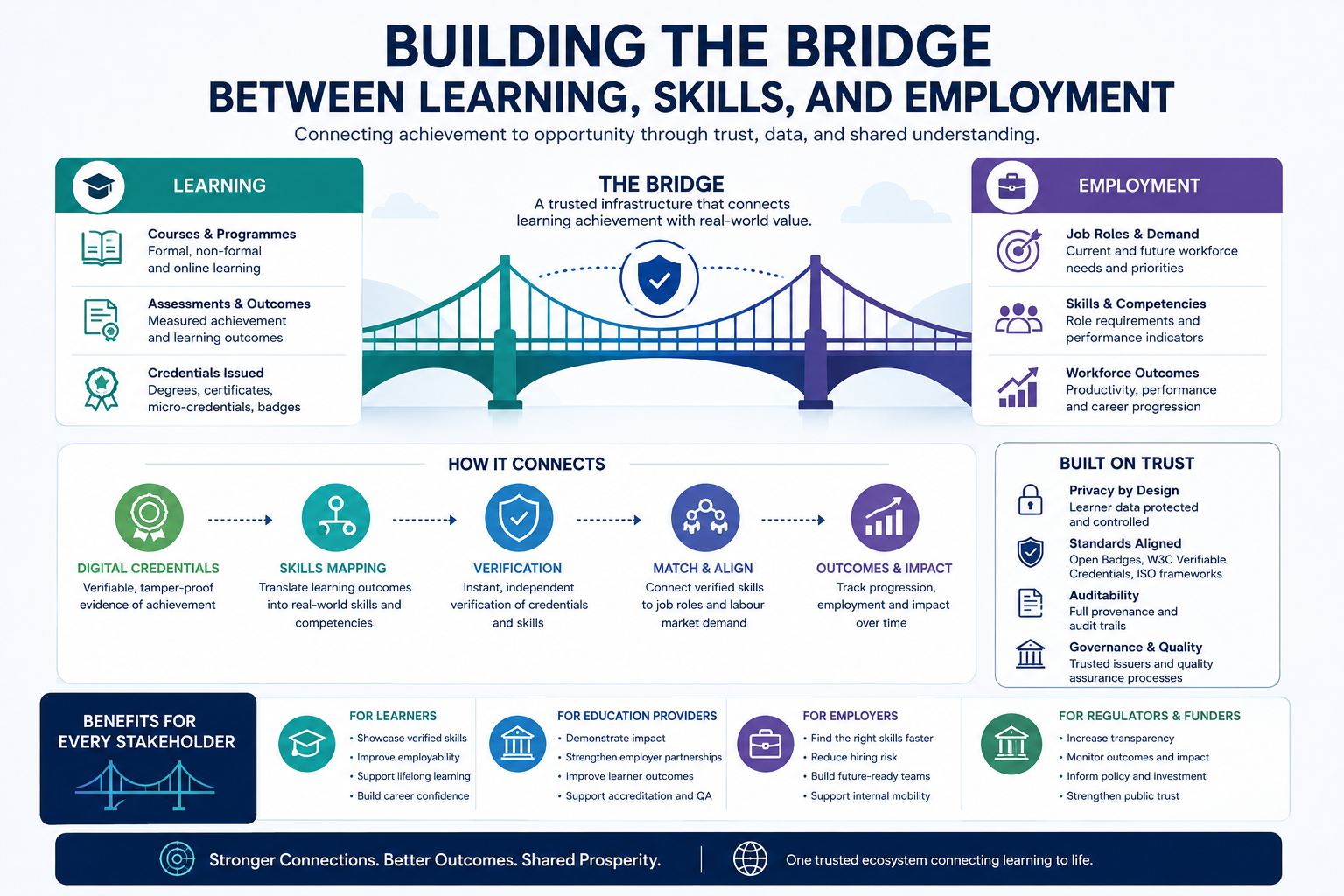
Building the Bridge Between Learning, Skills, and Employment
Education and employment are closely connected, but they do not always speak the same language. Universities, colleges, awarding bodies, and training providers describe achievement through qualifications, modules, credits, certificates, learning outcomes, and assessment criteria. Employers describe need through job roles, competencies, experience, behaviours, compliance requirements, and performance expectations. Learners sit between these two worlds, trying…
-
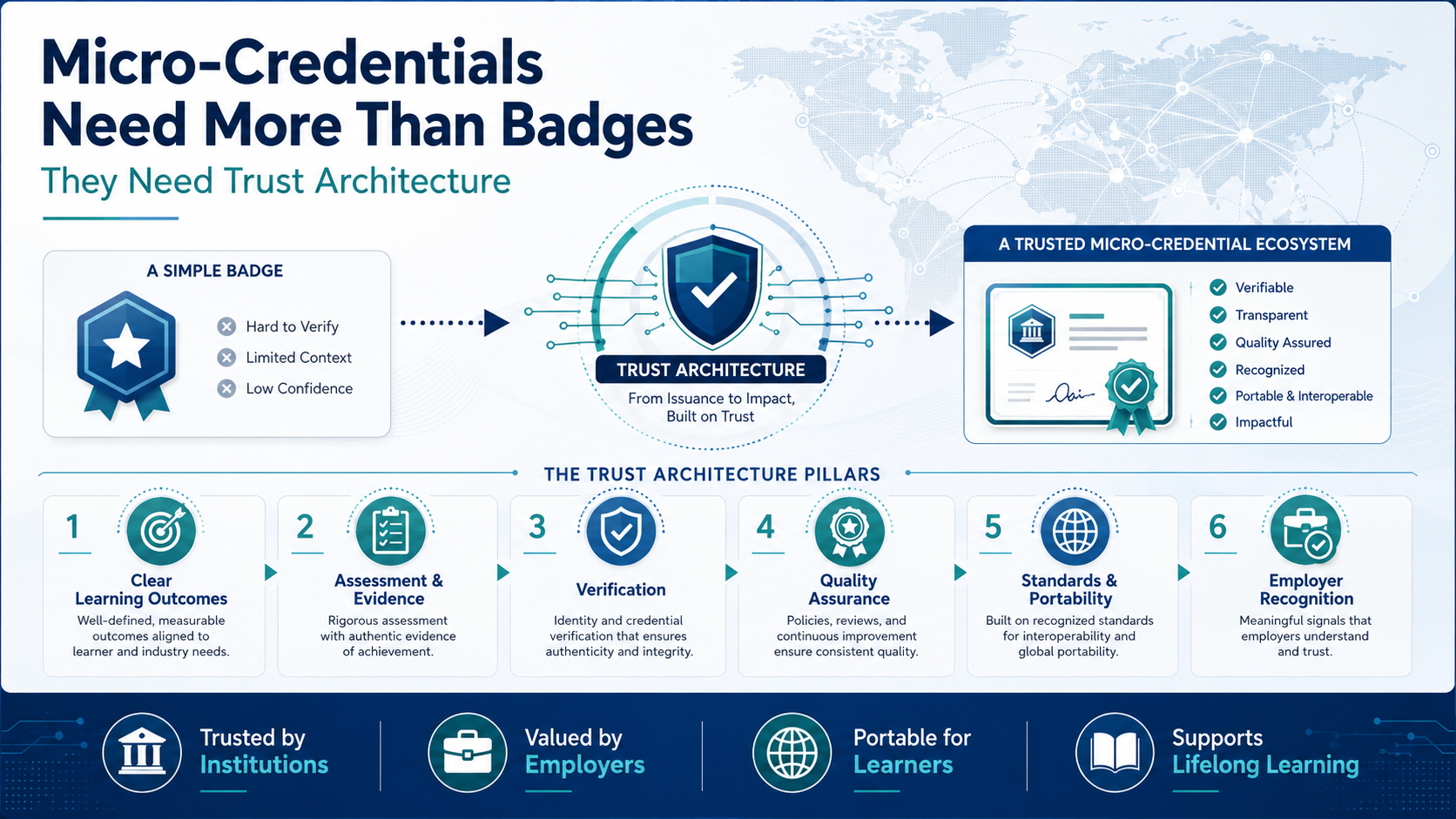
Micro-Credentials Need More Than Badges: They Need Trust Architecture
Micro-credentials are no longer a fringe innovation in education. Around the world, governments, universities, employers, and professional bodies are exploring shorter, more flexible ways to recognise learning. The logic is compelling: labour markets are changing quickly, learners need to reskill throughout life, and traditional qualifications alone may not be agile enough to meet demand. But…
-
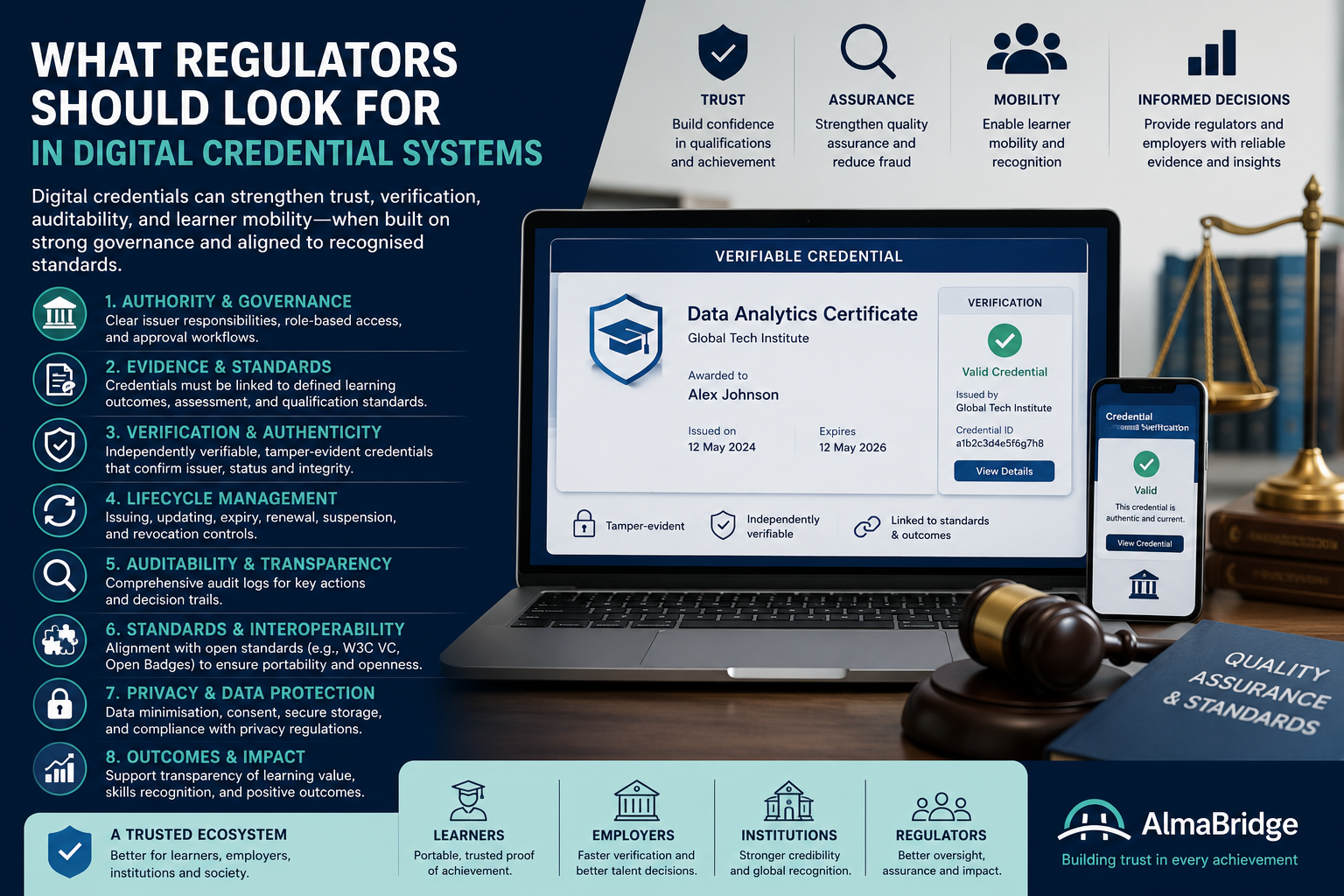
What Regulators Should Look for in Digital Credential Systems
Digital credentials are becoming an important part of modern education, professional training, and workforce development. Universities, awarding bodies, training providers, employers, and technology platforms are increasingly issuing digital certificates, badges, micro-credentials, and verifiable learning records. For regulators, this creates both an opportunity and a risk. The opportunity is clear. Digital credentials can reduce fraud, improve…
-
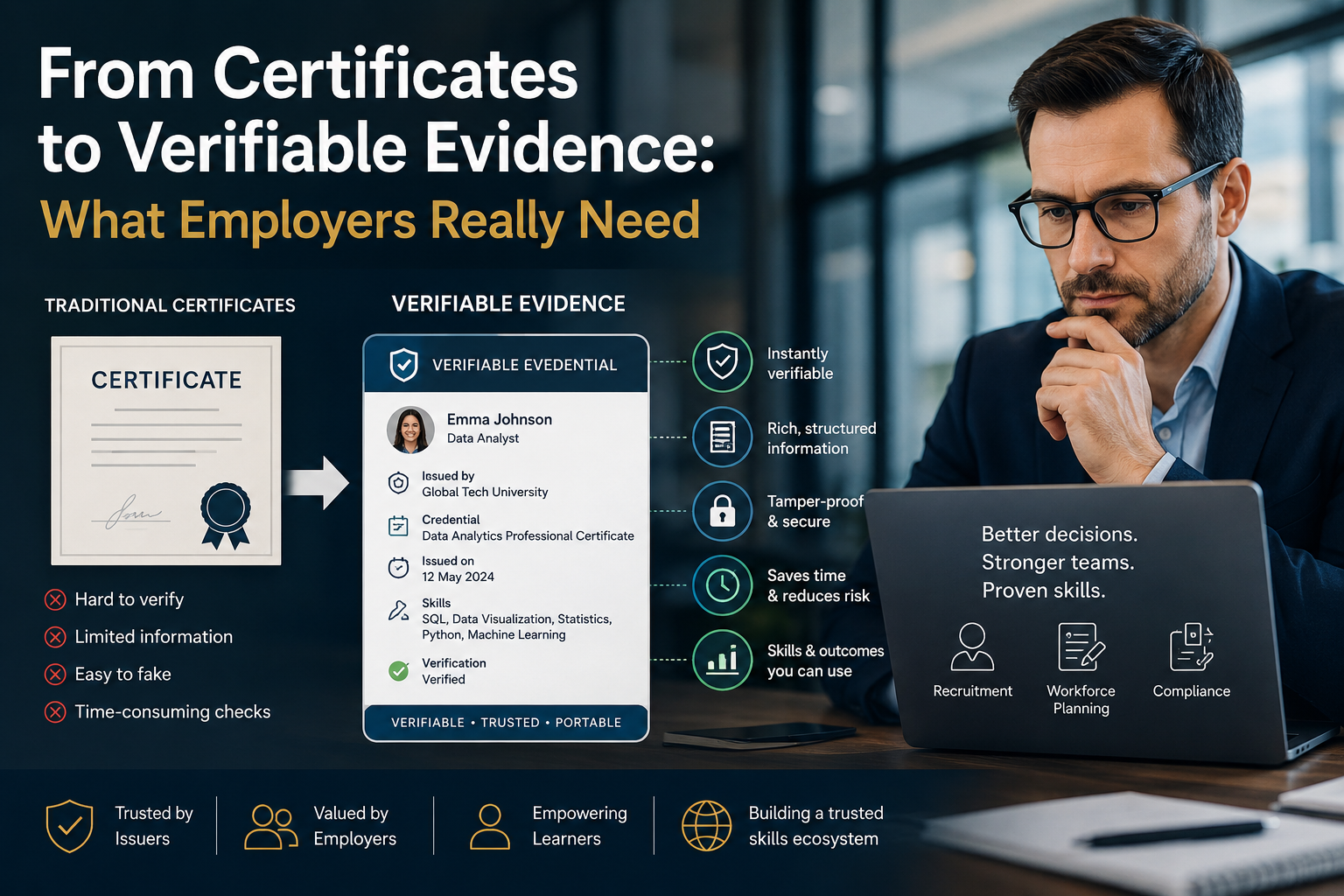
From Certificates to Verifiable Evidence: What Employers Really Need
For decades, certificates have acted as shorthand for achievement. A candidate presents a qualification, an employer recognises the issuing institution, and the certificate becomes part of the recruitment decision. In many cases, this still works. Degrees, diplomas, apprenticeships, professional certificates, and industry awards continue to carry value. But the labour market has changed. Employers now…
-
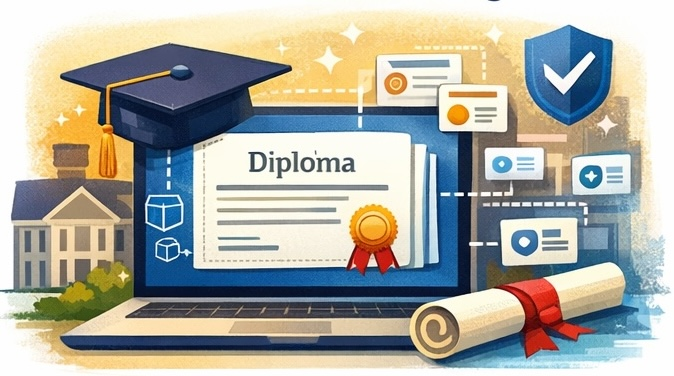
Why Digital Credentials Are Becoming Core Education Infrastructure
Education systems are no longer judged only by what they teach. They are increasingly judged by what learners can prove, how quickly that proof can be trusted, and whether learning achievements translate into employment, progression, compliance, and lifelong opportunity. This is why digital credentials are becoming core education infrastructure. For many years, certificates have acted…
-
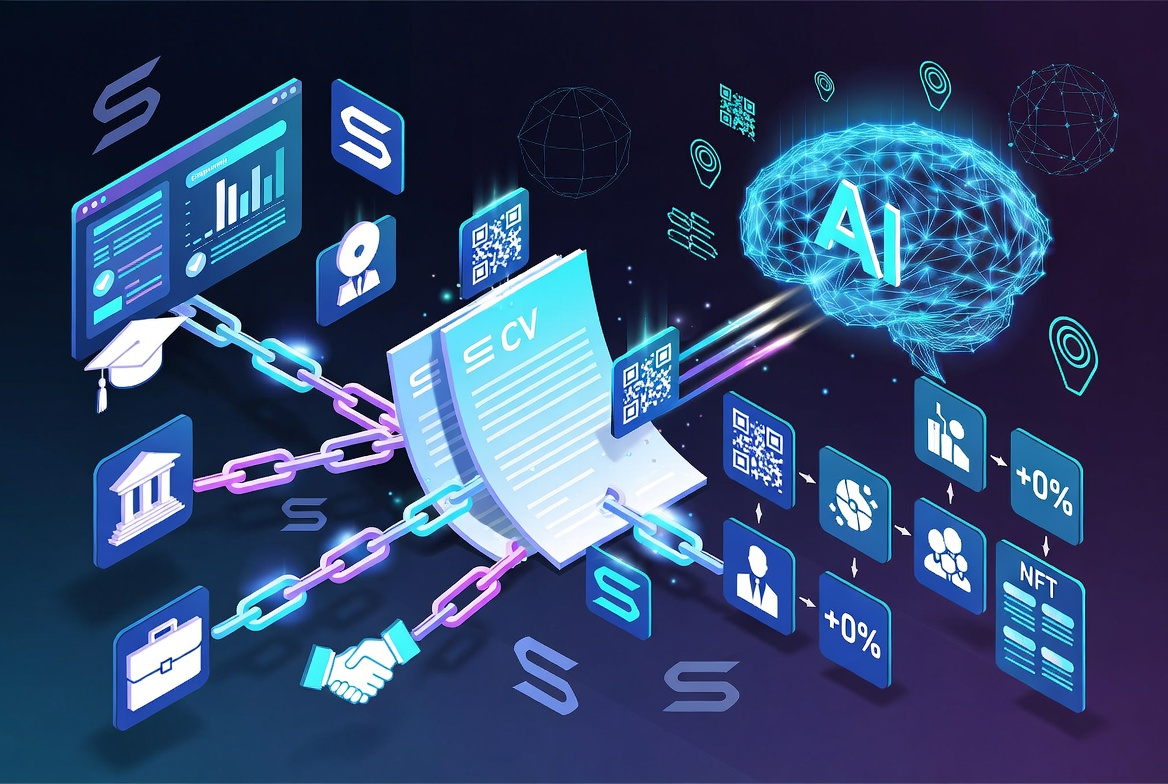
Beyond the CV: How Blockchain and AI Are Redefining Trust in the Job Market
For decades, the traditional CV has remained largely unchanged: a static, self-reported list of qualifications that is notoriously difficult to verify. As the job market evolves at breakneck speed, this reliance on unverified claims is widening the skills gap and slowing down recruitment. At AlmaBridge, we believe the future of work requires a new standard—one…
-
The Global Epidemic of Credential Fraud
1. Executive Summary Credential fraud—the fabrication or falsification of academic qualifications—has evolved into a sophisticated global industry with an estimated annual value of $21 billion USD . This illicit trade, encompassing everything from diploma mills to AI-generated forgeries, poses significant risks to public safety, economic productivity, and the fundamental trust in education systems. This report…
-

Blockchain Technology Standards for Managing Credentials
Blockchain technology has emerged as a transformative tool for managing credentials, such as educational diplomas, professional certifications, and digital identities, by providing tamper-proof, decentralized verification. This reduces fraud, enhances portability, and supports global recognition. However, the lack of unified standards has led to fragmentation, prompting international organizations to develop frameworks for interoperability, security, and privacy.…
-

Understanding Decentralized Credentials
Explore the concept of decentralized credentials and how they revolutionize education and employment. Learn about issuer management and workflows.